Reach-in Cooler Warm
A restaurant reach-in runs but will not hold temperature and product is warming. Read the cabinet, then airflow, then the condenser — sealed system last.
Scenario briefing
The call
A restaurant reports one of their reach-in coolers is running but not holding temperature. Product on the top shelf is warming and the kitchen is mid-prep.
The unit sounds like it is operating and there is no error code on the control. The cabinet simply is not cold enough.
Work the sequence: confirm the real cabinet temperature, then airflow at the evaporator, then heat rejection at the condenser. Refrigerant is the last conversation, not the first.
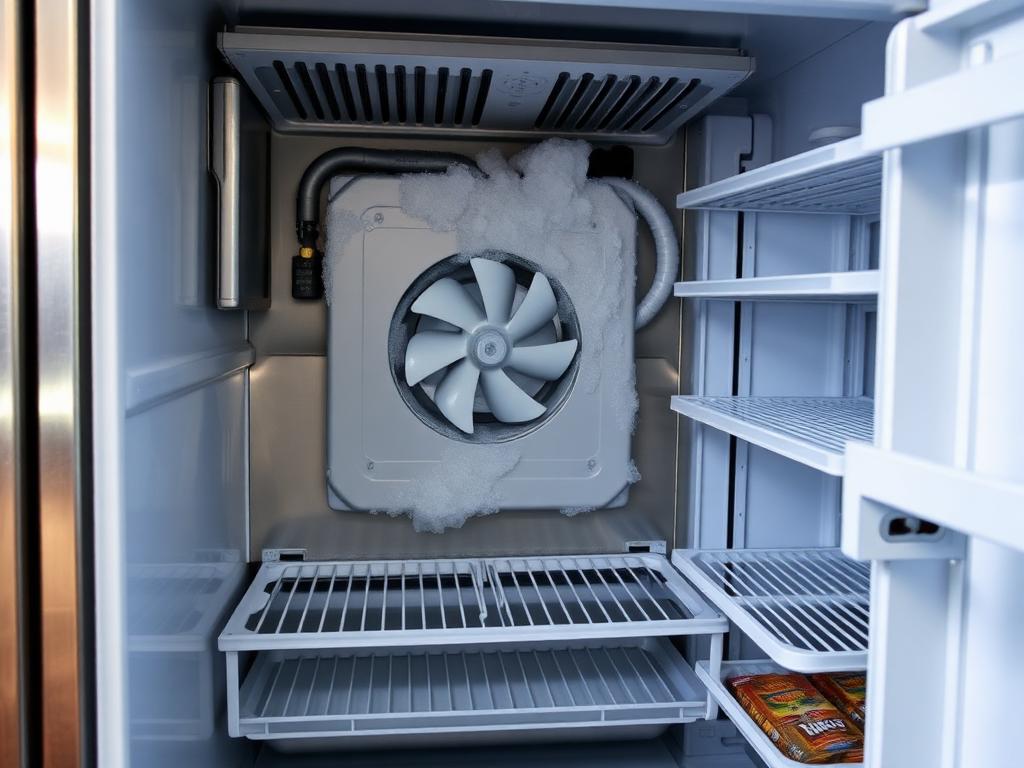
The condensing unit cools the coil, the evaporator fan pushes cabinet air across it, and the product stays cold because air moves continuously through the box. Reach-ins live in hot kitchens with constant door openings, so airflow, loading, and door discipline matter as much as refrigeration.
Subsystems in this failure pattern
- Air side: evaporator coil, evaporator fan, shelving and product loading
- Defrost and drain: defrost termination, drain line, pan
- Load and heat rejection: door gaskets, condenser coil and filter, ambient kitchen heat
Why this diagnostic order
Take your own temperature first — displays lie and staff estimates are worse. Airflow faults at the evaporator, usually a failed fan and the ice that follows, account for most warm reach-ins. Refrigerant diagnosis comes last, because an iced coil corrupts every reading.
Step 0 · Required
Safety Gate
Confirm every item below before the diagnostic area unlocks. This mirrors the pre-work checklist you owe every customer.
0 of 5 confirmed.
Step 1 · First checks
LockedDiagnostic decision
You are at the reach-in with the kitchen working around you. What do you do first?
Complete the safety gate to continue.
Component map
Reach-in cooler — component view
System layout — relative positions
Progress
Step 1 of 4
- 1
- 2
- 3
- 4